“One of the Three Most Dangerous People in the World”—Named by the Industry, Never Silenced
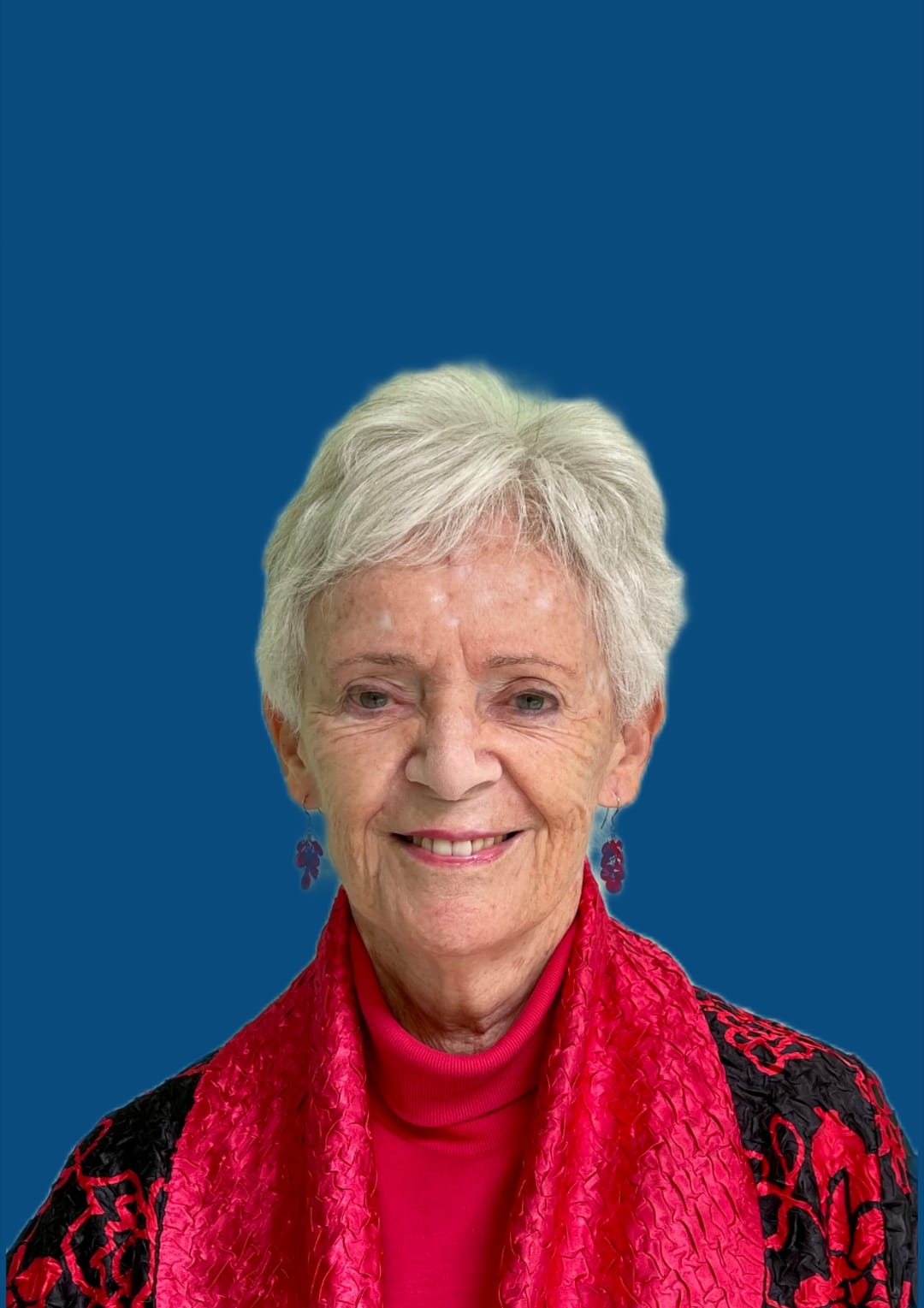
For over four decades, Judith Mary Mackay has been one of the tobacco industry’s most persistent adversaries. The industry tracked her movements, threatened her with lawsuits, and named her a top international enemy. Industry supporters called her many names, and likened her to a jihadist. She was offered 24-hour police protection and advised to send her children abroad for safety. But every attack only strengthened her resolve.
Tracked, Threatened, and Never Silenced: How Judith Mary Mackay Withstood Decades of Tobacco Industry Intimidation
For more than four decades, Judith Mary Mackay has been one of the most influential tobacco control advocates in the world. Based in Hong Kong, SAR China, and working through the Asian Consultancy in Tobacco Control, she has been at the forefront of efforts to reduce the toll of tobacco across Asia and globally.
In 1994, Judith helped Ruth Roemer initiate the idea of a global tobacco treaty with the World Health Organization (WHO). Together with Richard Peto and Neil Collishaw, she made representations to WHO Director-General Dr Gro Harlem Brundtland to make tobacco a priority—contributing to the establishment of the WHO Tobacco Free Initiative and ultimately the negotiation of the WHO Framework Convention on Tobacco Control (WHO FCTC). In Hong Kong, she led campaigns that achieved the world’s first ban on smokeless tobacco products (1987) and a ban on e-cigarettes and heated tobacco products (2022), helping reduce smoking prevalence to single digits. Since 1984, she has worked with most Asian and some Eastern Mediterranean governments on national tobacco control policy, helping countries including China and Mongolia draft their initial laws.
But Judith’s effectiveness made her a target. For decades, the tobacco industry deployed surveillance, legal threats, defamation, and personal intimidation to try to silence her.
The Tactic: Surveillance and Profiling (1982–2017) & Legal Threats (1989)
Internal tobacco industry documents reveal that the industry was monitoring Judith from the earliest years of her advocacy. In 1982, British American Tobacco (BAT) described her as “entirely unrepresentative and unaccountable.” By 1989, Infotab, a global tobacco industry group, had designated her one of “the three most dangerous people in the world”. She was listed as triggering an “early warning alert system” whenever she travelled to a country. In 2017, Philip Morris International named her “One of the Top Nine Named International Enemies.” Whistleblowers later informed Judith she had been followed, and that disruption tactics—such as arranging for her luggage to go missing—had been contemplated.
In 1989, the tobacco industry twice threatened to take Judith to court. Neither threat was followed through. The purpose was not litigation—it was to intimidate her and seed doubt about the accuracy of her statements.
*Based on documents in Judith’s private archive (not independently verified by GGTC/author)

The Incident: Sustained Defamation and Threats (1993)
Over the years, the tobacco industry and its supporters subjected Judith to sustained name-calling: sanctimonious, dogmatic, meddlesome, heretic, puritanical, hysterical, prejudiced, a jihadist with blood on her hands, and a “Nanny.”
The most extreme attack came in 1993 from a US-based Smokers’ Rights Group, which published a screed describing her in dehumanizing terms and threatening to “utterly destroy” her—a death threat investigated by the FBI.
The Hong Kong government offered Judith 24-hour police protection and advised her to send her sons to school in Scotland, as the family lived on a remote road in the New Territories where the children had to wait for the school bus—too vulnerable.
*Based on documents in Judith’s private archive (not independently verified by GGTC/author)
The Response: Speaking Up, Never Backing Down
Throughout decades of pressure, Judith’s response was consistent: she spoke up, continued her work, and grew more resolved with every attack. She never filed a lawsuit even when called a jihadist but she also never stayed silent about the attacks, using her experience to educate others about the tactics used to silence public health advocates.
One thing is for certain; she never lost allies.
*Based on documents in Judith’s private archive (not independently verified by GGTC/author)
The Outcome: Advocacy That Changed Global Health
None of the attacks stopped Judith's work. She continued to influence tobacco policy across Asia and globally, earning recognition including an OBE and the WHO commemorative medal. In 2007 she was declared by Time Magazine as one of the 100 most influential people in the world and won the BMJ Lifetime Achievement Award. The measures she championed — including the WHO FCTC — have been credited with saving millions of lives worldwide. The industry's attacks only strengthened her resolve.
*Based on documents in Judith’s private archive (not independently verified by GGTC/author)

Why It Matters
In Asia in the 1980s and 1990s, Judith was working largely alone—no peer network, no regional alliance, no institutional frameworks that exist today. Today, the solidarity is in numbers: tobacco control workers serve in governments, foundations, IGOs, and NGOs across the region.
The most powerful lesson Judith has shared is simple: never give in, never stop.
The industry never learned that such attacks only strengthened her resolve at every turn.
Disclaimer
This case study is based on publicly documented legal rulings, media reports, organizational statements, and other publicly available sources. It also relies on information provided by civil society actors who are not affiliated with the tobacco industry. All references to individuals and organizations are based on their publicly known affiliations and roles in documented proceedings. This may include accounts of alleged misconduct grounded in private documentation retained by individuals involved. All materials are presented as reported by the source and conveyed in the public interest. This is not intended as definitive legal conclusions but is shared for educational and advocacy purposes, in line with responsible reporting standards and applicable law.